



Investment
The Czech investment market accelerated to 1.05 billion EUR in the second quarter
Activity picked up across sectors, while prime yields remained largely stable. The only compression was observed in the industrial sector.
More
Activity picked up across sectors, while prime yields remained largely stable. The only compression was observed in the industrial sector.
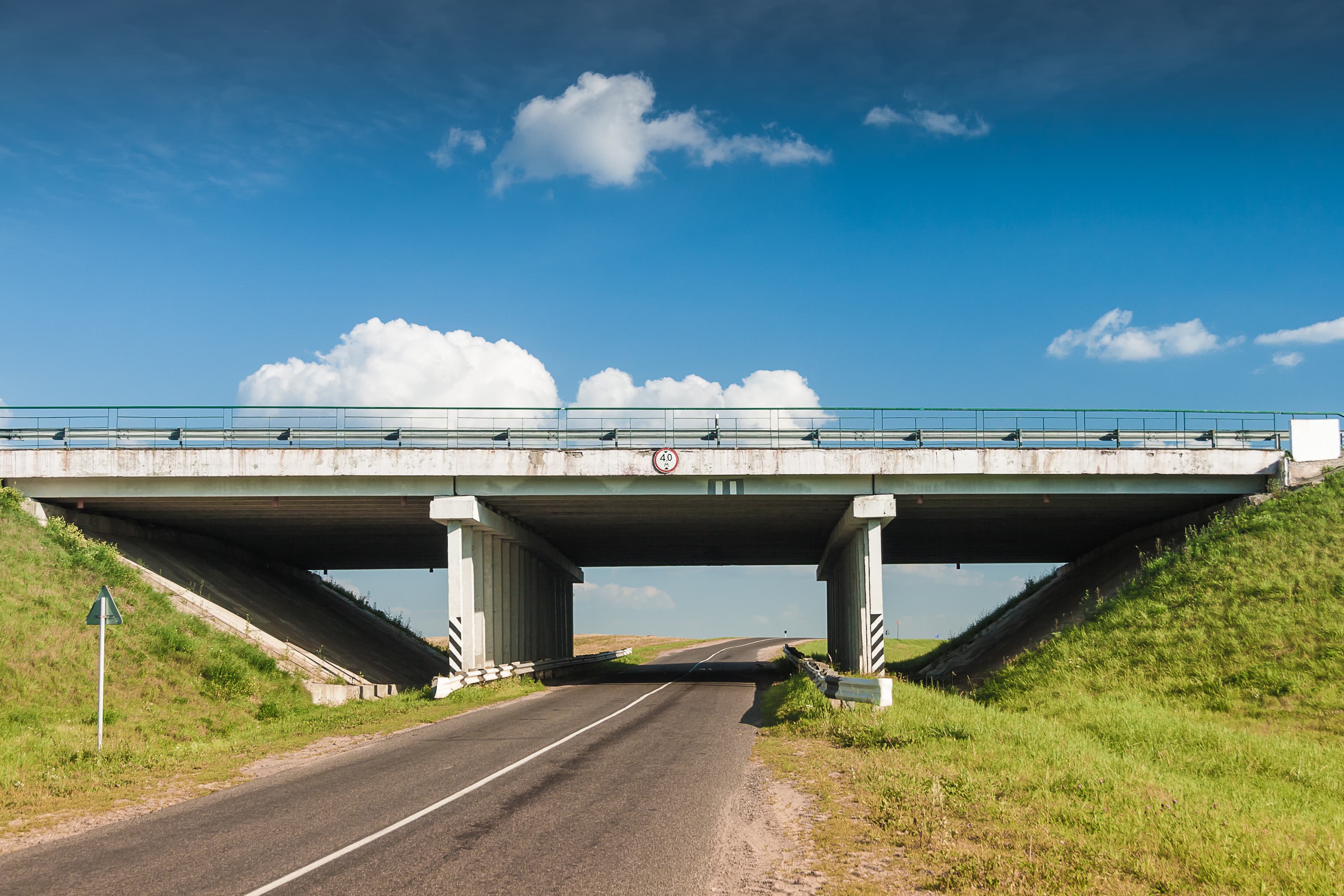
Five or more hectares, at least 20,000 square meters of buildable area, and a valid building permit. This is what the most common demand for development land in the Czech Republic looks like. However, according to the real estate consulting firm 108 REAL ESTATE, other requirements and conditions in this market segment have changed year-over-year. Developers are no longer buying land for future projects but are now almost exclusively tailoring their purchases to specific tenants or end owners. The traditionally most attractive locations around Prague, Brno, and Plzeň have been joined by regions associated with announced major investments—for example, the Cheb area, where Mercedes-Benz plans to build a large logistics center for spare parts. According to 108 REAL ESTATE, buyer interest is also focused on areas near newly constructed highway sections, particularly the D6 and D35.
The volume of commercial real estate investments in Europe reached 36.4 billion euros in the first quarter of 2026, down 7% year-over-year and 16% below the five-year average. The slow recovery of the past two years lost momentum in the first quarter.
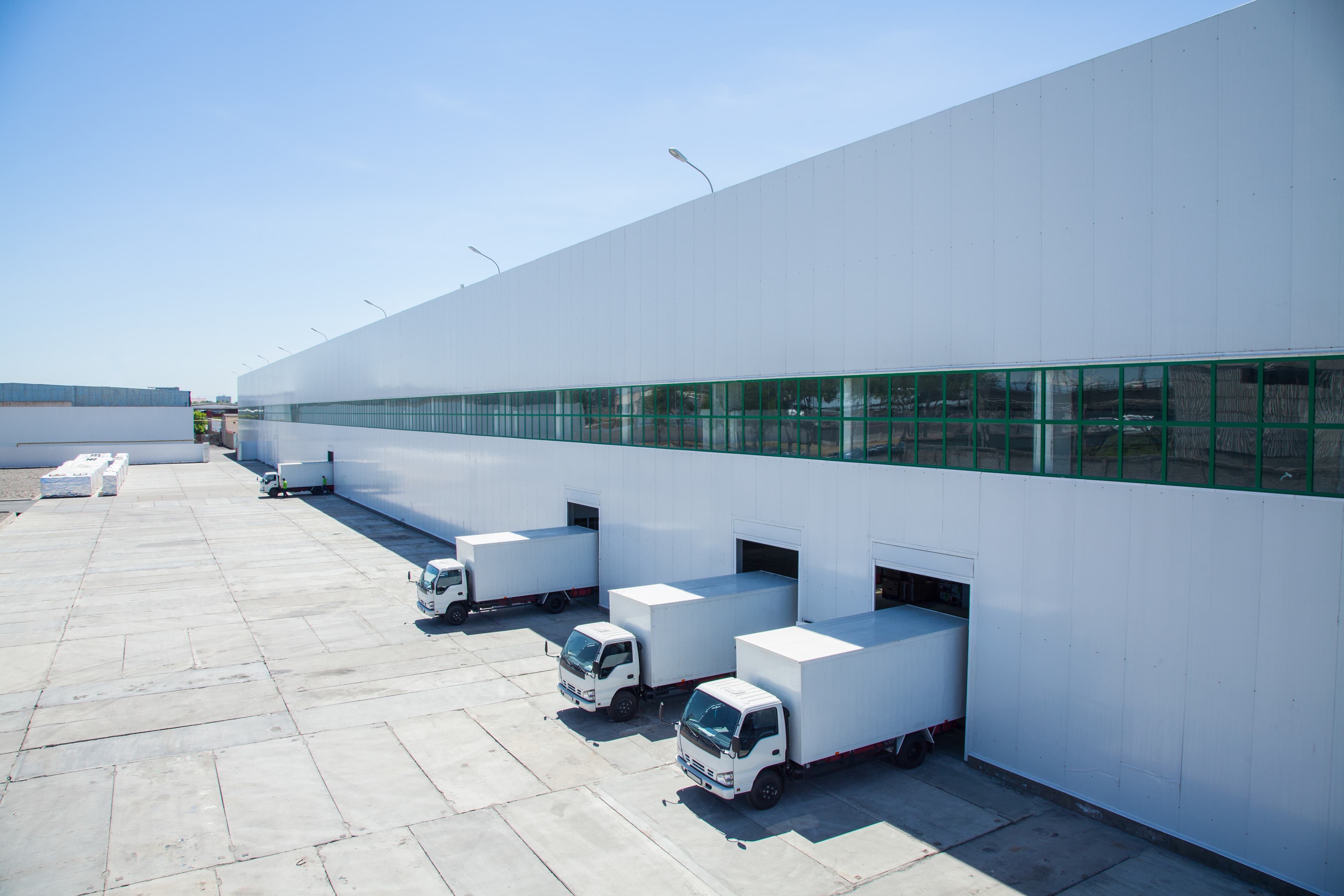
The domestic industrial real estate market had an interesting quarter in several respects. Data from the real estate consultancy 108 REAL ESTATE show that while 357,000 sqm of warehouses and production space was leased in the second quarter, 335,000 sqm of industrial space was leased from July to the end of September. Of these, 207,046 sqm were new contracts. The result was also achieved thanks to several successful international tenders from manufacturing companies that opted for the Czech Republic on the basis of improving lease conditions.
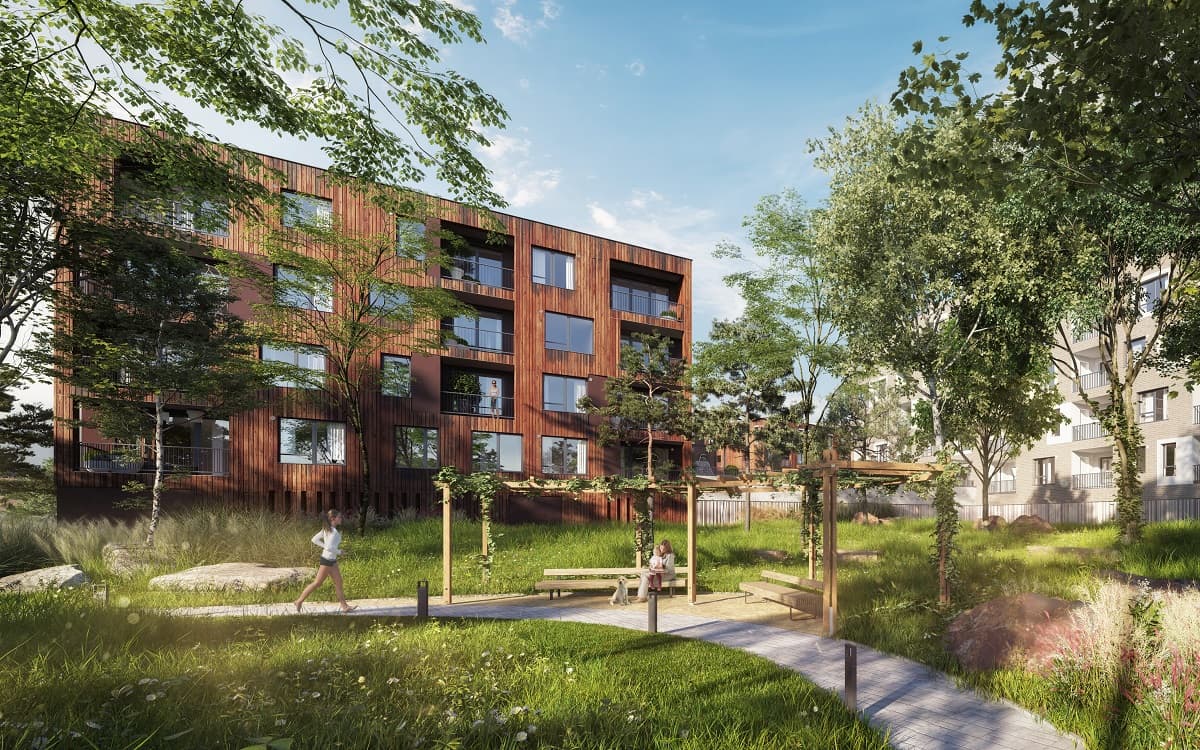
Owners of several large shopping centres in the Czech Republic are looking for new owners or investors. Yet, surprisingly, it is residential real estate that has the domestic commercial real estate investment market on track to surpass the EUR 2 billion mark this year. Moreover, both the second quarter and the two summer months have shown continued activity by domestic funds and real estate investors. Czech capital accounted for more than 90% of all transactions in the past quarter. The total balance of over EUR 500 million was affected by the sale of the former Komerční banka headquarters on Wenceslas Square, which was acquired by the City of Prague for EUR 140 million as its future headquarters.
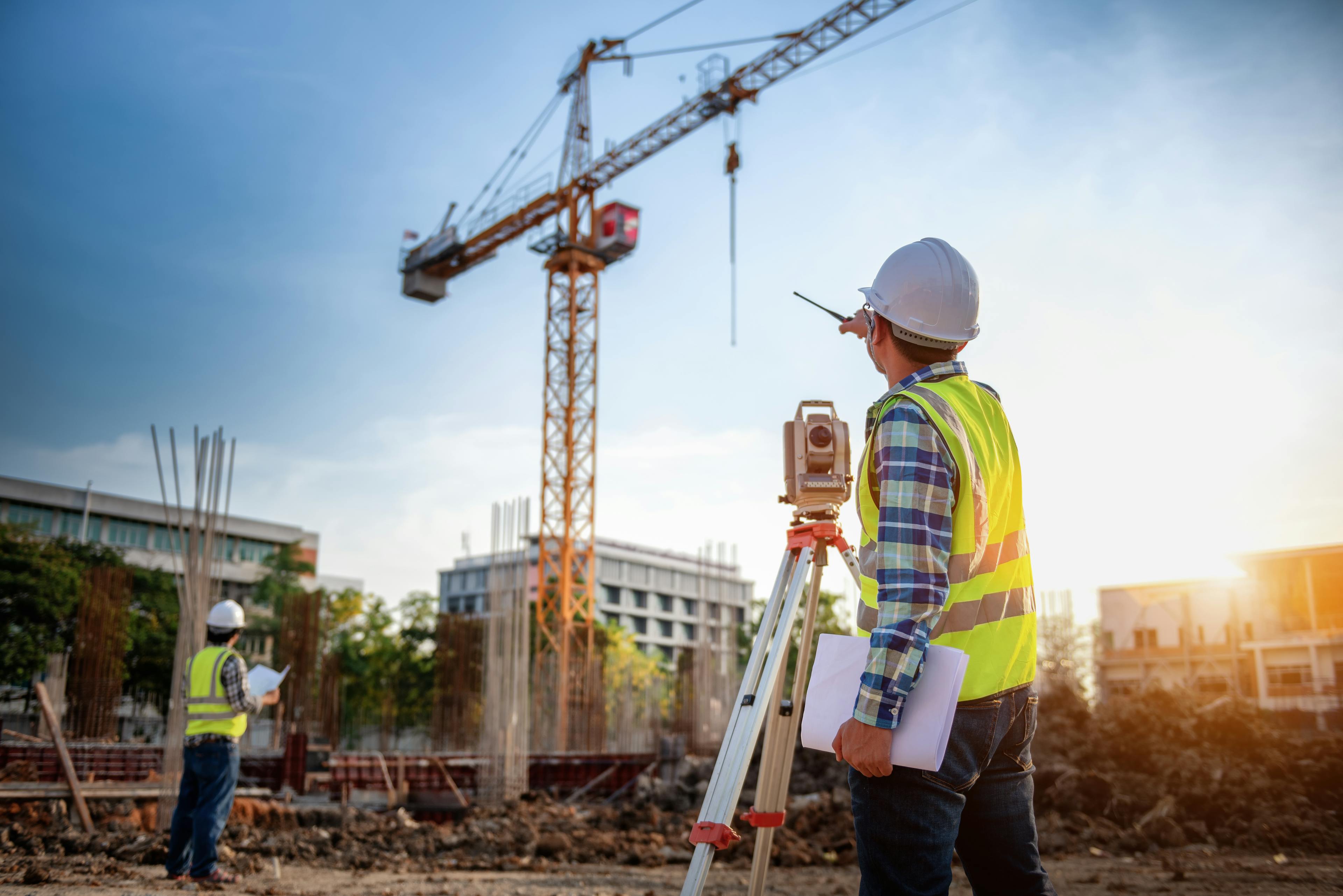
The market for development land and older, mainly industrial buildings and premises in the Czech Republic is reviving after a long period of stagnation. This would probably be positive news if the acceleration was not caused by the economic downturn in some sectors or even the closure of many companies in the Czech Republic. For many of them, selling surplus real estate or land intended for future expansion is one of the few ways to avoid economic loss. According to real estate consultancy 108 REAL ESTATE, which specializes in this type of transactions, the increase in ownership transfers is also due to price leveling and fear of land unavailability due to the expected stricter protection of the agricultural land fund.
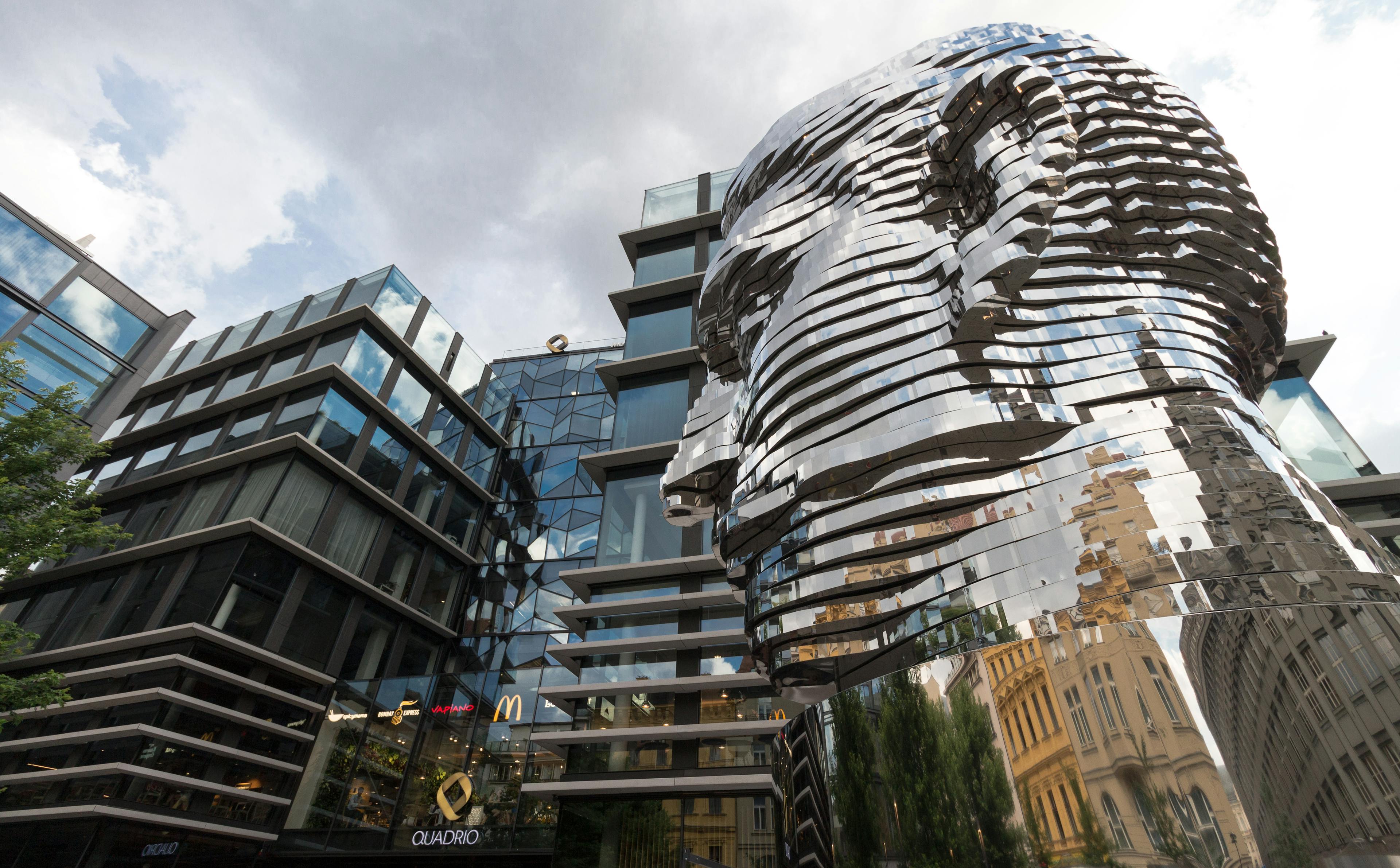
The volume of real estate transactions in the Czech Republic should approach the usual EUR 2 billion this year. This is indicated by several large deals negotiated in recent weeks. Domestic capital remains the main driver of the investment market - notable is one of the biggest changes of ownership in recent times, the sale of OC Arkády Pankrác, which was acquired by the Czech real estate fund Trigea from the Partners group. The deal will not be reflected in the investment balance until this year due to the review by the Office for the Protection of Competition. According to real estate consultancy 108 REAL ESTATE, this will not be the only retail property: the evergreen retail parks will be complemented by the acquisition of several shopping centres or shopping malls.
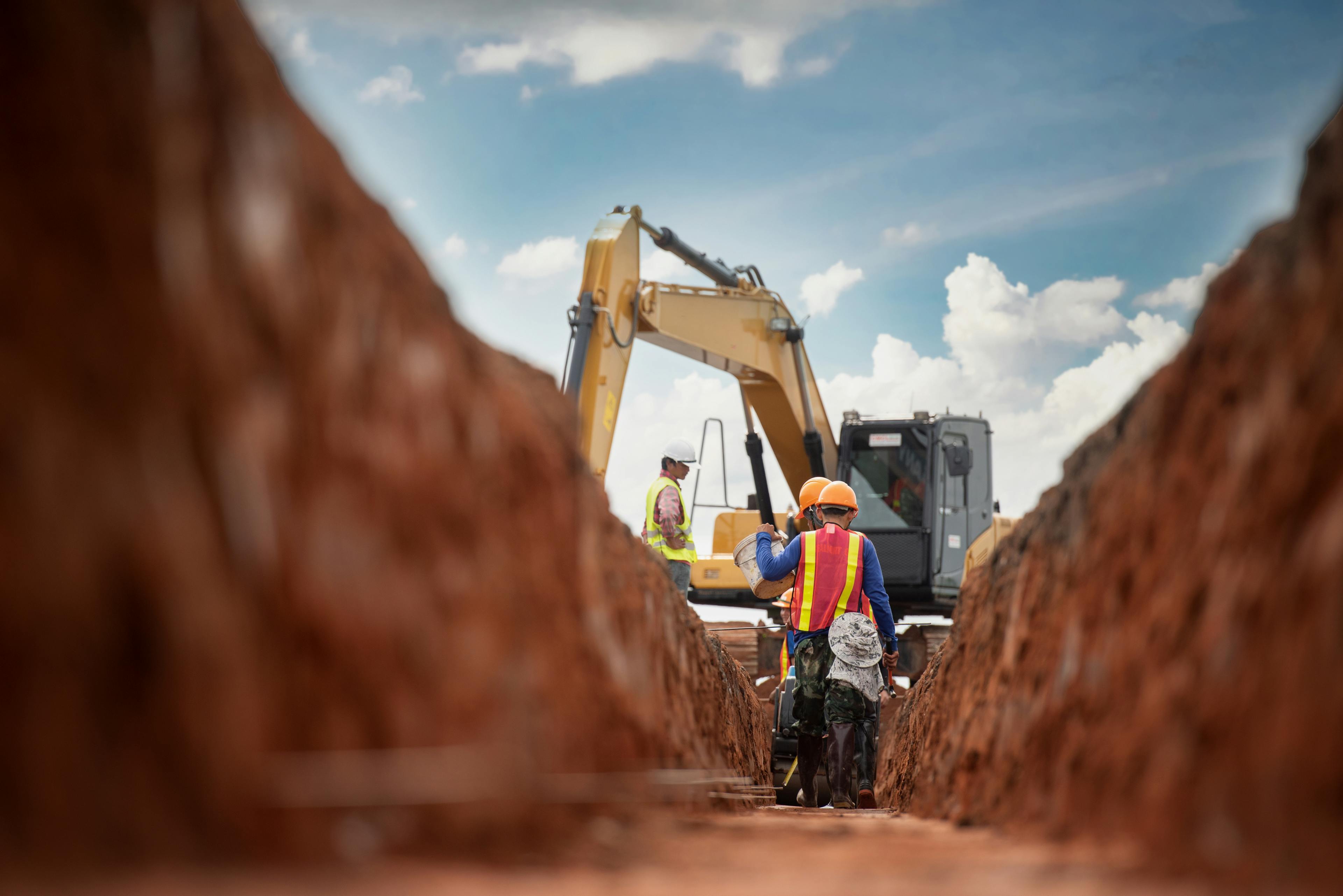
The amendment to the Agricultural Land Fund Protection Act, which was approved by the Government last October and is expected to be adopted by the Chamber of Deputies in the first months of this year, will have a significant impact on the construction of production and warehouse properties in the Czech Republic. It will have an impact on the planning and construction of industrial sites, on land classified as Class I and II (according to the Bonitated Soil Ecological Unit, BPEJ). The amended law proposes a ban on the use of agricultural land of this quality for plans to build shops or warehouses larger than one hectare, as well as a ban on the use of these lands for conventional photovoltaic power plants.
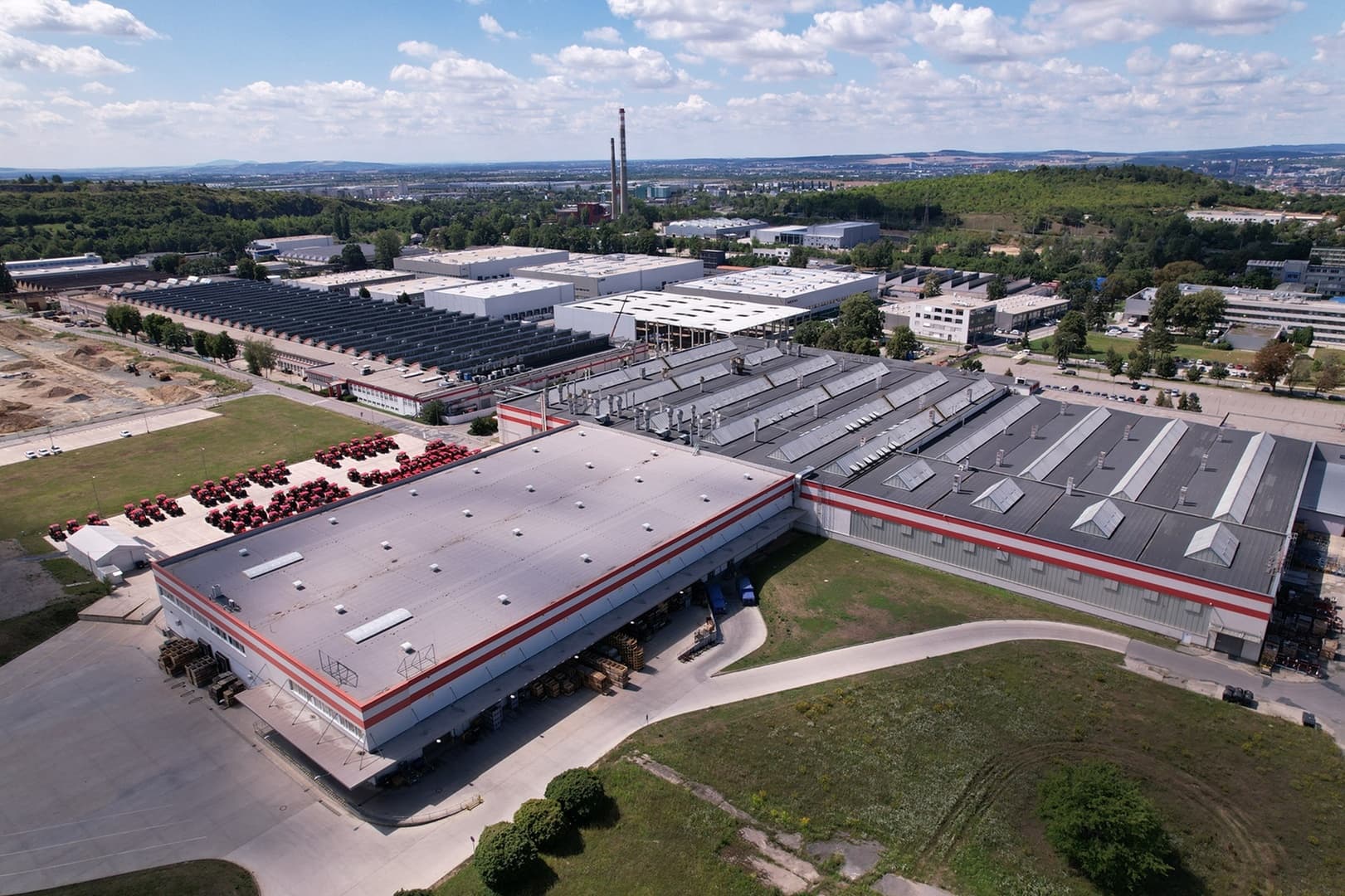
Skyrocketing energy and operating costs, improved cash flow, less accessible credit, partially higher efficiency of production or business activities... These are the main reasons why some owners of industrial premises or buildings have decided to sell them to investors. They then stay in the properties as tenants or gradually look for other premises. This is according to data from the real estate consultancy 108 AGENCY, which specialises in this form of sale and subsequent lease, known as Sale & Leaseback. The transactions and enquiries made indicate that isolated cases two years ago have grown to dozens in recent months.