News

Demand for industrial facilities exceeds the volume of newly completed space—manufacturing and e-commerce are both on the rise
Industrial

Demand for industrial facilities exceeds the volume of newly completed space—manufacturing and e-commerce are both on the rise

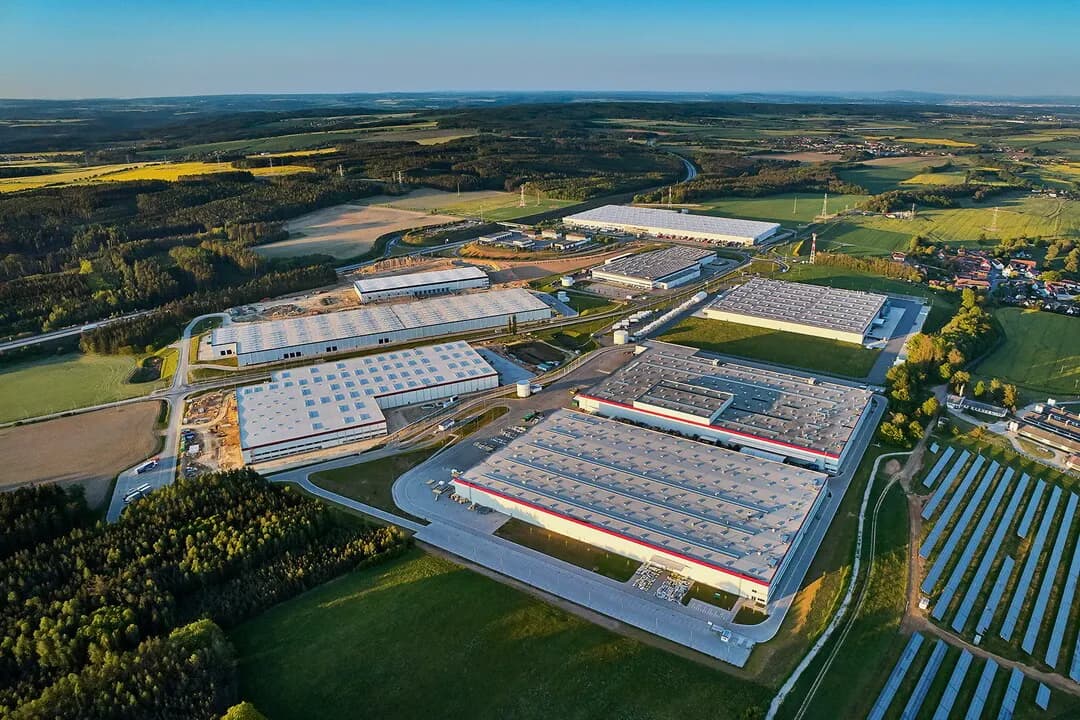
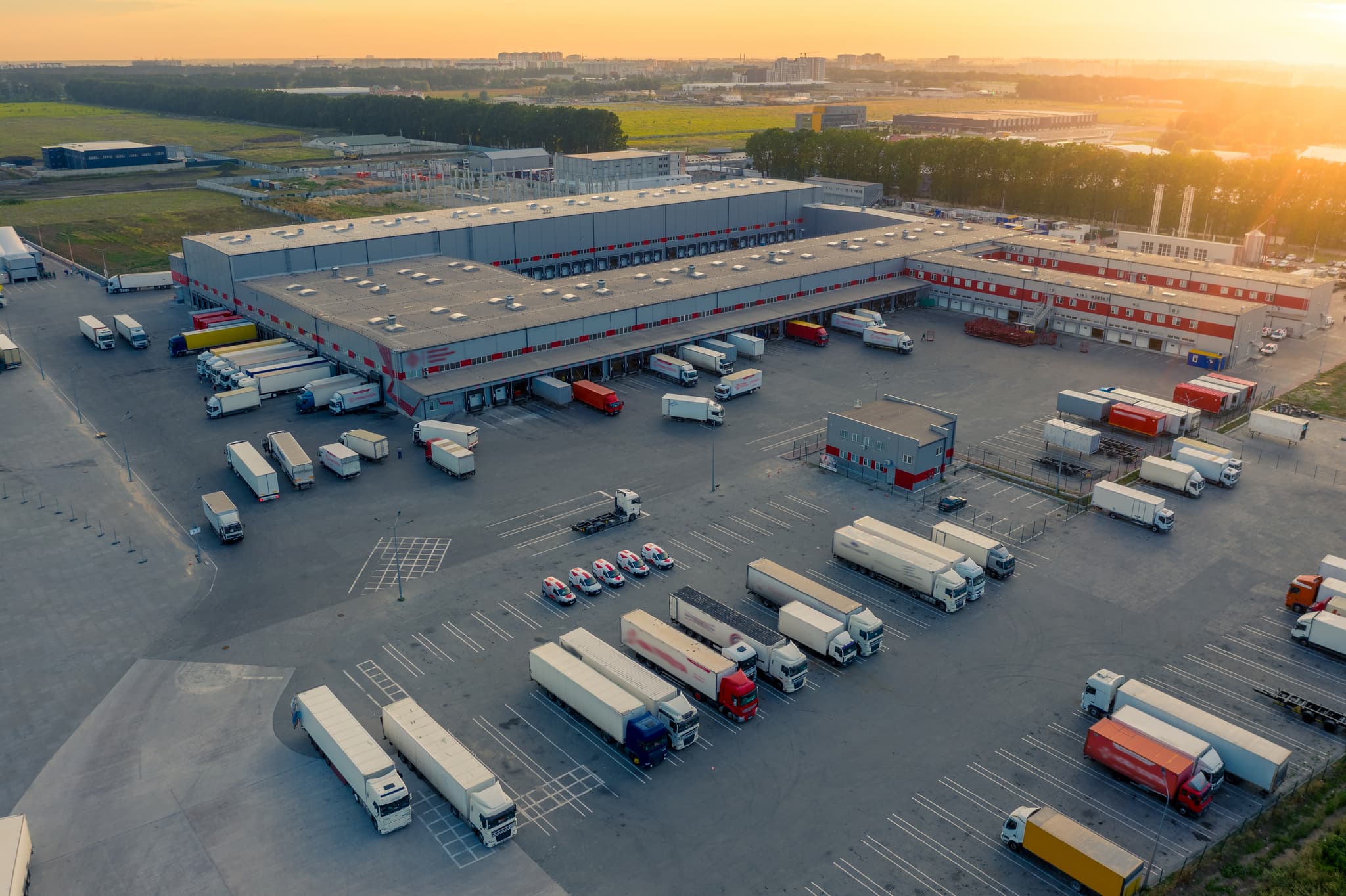
132,000 square meters of newly completed industrial space versus 263,000 m2 of new lease transactions. This disparity between the volume of leases and newly completed manufacturing and warehouse space was a defining factor for the situation in the Czech Republic during the second quarter. However, by the end of June and during the subsequent summer vacation weeks, this region also felt the effects of the hot European summer: increased fuel costs for transportation, trucks returning to the roads due to impassable rivers, and weakening performance in the German automotive industry due to declining purchasing power and competition, particularly from Chinese automakers.

More
European Office Markets in the First Half of 2026: Lower Demand, but Rising Prime Rents and Deepening Polarization
Offices

European Office Markets in the First Half of 2026: Lower Demand, but Rising Prime Rents and Deepening Polarization

Demand for office space in major European cities fell by 9% year-over-year in the first half of 2026, mainly due to a lack of large transactions. Prime rents, however, continue to rise—by 6.2% year-over-year in major markets—driven by a shortage of high-quality Class A space. The vacancy rate rose to 9.6%, but remains highly polarized: prime locations in city centers are nearly full, while space is becoming available on the outskirts.

More
Trend in Office Leasing in Europe: Companies Are Seeking Smaller Spaces but Are Willing to Pay Higher Rent for Them
Offices

Trend in Office Leasing in Europe: Companies Are Seeking Smaller Spaces but Are Willing to Pay Higher Rent for Them

Hybrid work arrangements and remote work are among the main reasons for the weaker performance of the office space market in Europe during the first half of this year. However, the declining volume of lease transactions is also influenced by tenants’ cautious approach due to economic uncertainty. Another factor is the shortage of larger, high-quality spaces available for rent, especially in attractive parts of European cities. While demand for prime office space is growing in Barcelona, Brussels, and Dublin, traditional markets in London, Paris, Milan, and Germany’s largest cities are seeing a double-digit year-over-year decline in leasing activity. According to the real estate consulting firm 108 REAL ESTATE, tenants’ needs are clearly changing—there is a prevailing interest in smaller, higher-quality spaces in attractive locations, for which companies are willing to pay higher rents. The highest rents have risen by nearly 5% year-over-year.

More
Uncertainty surrounding the permitting process is dampening demand for development land—developers are waiting for both investors and tenants
Investment

Uncertainty surrounding the permitting process is dampening demand for development land—developers are waiting for both investors and tenants

Five or more hectares, at least 20,000 square meters of buildable area, and a valid building permit. This is what the most common demand for development land in the Czech Republic looks like. However, according to the real estate consulting firm 108 REAL ESTATE, other requirements and conditions in this market segment have changed year-over-year. Developers are no longer buying land for future projects but are now almost exclusively tailoring their purchases to specific tenants or end owners. The traditionally most attractive locations around Prague, Brno, and Plzeň have been joined by regions associated with announced major investments—for example, the Cheb area, where Mercedes-Benz plans to build a large logistics center for spare parts. According to 108 REAL ESTATE, buyer interest is also focused on areas near newly constructed highway sections, particularly the D6 and D35.

More
Investment in industrial real estate in Europe fell by a fifth. Czech Republic is suffering from a lack of quality properties for sale
Industrial

Investment in industrial real estate in Europe fell by a fifth. Czech Republic is suffering from a lack of quality properties for sale

Investment in industrial real estate in Europe fell by 21% year-on-year in Q1. The blame lies with the uncertain and less predictable global economic situation, or the impact of geopolitical instability in the Middle East, affecting in particular the performance of the logistics market. The total volume of EUR 7.5 billion for which warehouses and production halls on the European continent changed hands in the first quarter of this year is below the long-term quarterly average. However, data from real estate consultancy 108 REAL ESTATE, shared with BNP Paribas Real Estate as part of an alliance, shows that compared to traditional investment dominants such as France, the Netherlands, Germany and the UK, investor activity grew in Central European countries.

More